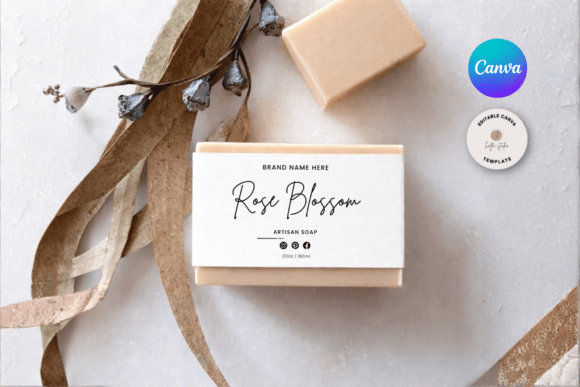
DIY Printable Soap Labels: Graphics & Print Templates
As a digital product creator who has spent years navigating the shifting tides of Etsy, Creative Fabrica, and independent Shopify stores, I have learned that the difference between a browsing visitor and a paying customer often comes down to perceived value. When I first encountered DIY Printable Soap Labels, my immediate reaction was not just about the aesthetic appeal, but about its utility as a functional business asset. In the crowded world of handmade and digital goods, efficiency is currency. This review explores whether this specific asset holds up under the scrutiny of a professional seller looking to expand their catalog with high-quality Print Templates and versatile Graphics.
First Impressions and Niche Appeal
The visual personality of these labels strikes a balance between artisanal charm and modern minimalism. For sellers targeting the handmade soap niche, bath bomb creators, or organic skincare brands, the design language feels authentic. It does not scream "mass-produced"; rather, it invites the viewer into a narrative of self-care and natural ingredients. This is crucial for small business branding. When a customer downloads a template, they are buying more than just a layout; they are buying a shortcut to a professional brand identity.
The mood is clean and approachable, making it suitable for a wide demographic. Whether you are selling lavender-infused bars for relaxation or citrus blends for energy, the neutral yet decorative foundation allows the product photography to shine. This versatility is what makes it a strong candidate for a design bundle or a standalone digital download in a competitive creative marketplace.
Practical Applications for Online Sellers
The true test of any graphic design asset is its adaptability. While the primary function is obvious—labeling soap bars—I found that DIY Printable Soap Labels can be repurposed across various product lines. Here is how I envision integrating this into a diverse shop inventory:
- Canva Template Sales: Since the file is optimized for Canva, you can sell it as an editable template. Buyers love the convenience of personalizing online without needing complex software like Adobe Illustrator.
- Sublimation Design: The high-resolution output works well for sublimating labels onto shrink-wrap sleeves or direct-to-container prints for lotions and balms.
- Sticker Design: These layouts translate perfectly into die-cut stickers for planners or water bottles, appealing to the stationery community.
- Packaging Design: Use the elements to create cohesive packaging inserts, thank-you cards, or instruction sheets that match the label aesthetic.
- Social Media Graphics: Extract individual elements to create Instagram stories or Pinterest pins promoting your physical products.
This multi-use potential increases the perceived value of the asset. Instead of a single-use item, it becomes a toolkit for visual storytelling across your brand’s touchpoints.
Enhancing Product Presentation
In the digital realm, your mockup is your storefront. Using DIY Printable Soap Labels in your product mockup images can significantly boost click-through potential. A well-designed label on a realistic soap bar mockup suggests quality and attention to detail. It helps potential buyers visualize the end result, which is critical for converting interest into sales.
Furthermore, consistency builds trust. If you offer a range of bath products, using a unified template style creates a cohesive look. This visual hierarchy guides the customer’s eye and reinforces your professional status. For Etsy product listings, having thumbnail images that feature crisp, elegant labels can set you apart from competitors using generic or cluttered designs.
Technical Considerations and Platform Ease
One of the strongest selling points of this asset is its accessibility. The workflow is streamlined: This is a digital item; no physical product will be shipped. The template is built for Canva, allowing you to personalize online without downloading additional software. It runs smoothly on browsers like Chrome and Edge. This low barrier to entry is essential for reaching hobbyists and small business owners who may not have advanced design skills.
However, ease of use should not compromise quality. When evaluating this for commercial use, I checked the following:
- File Resolution: Ensure the exported PNGs are 300 DPI for crisp printing. Blurry labels destroy credibility.
- Transparency: Verify that the background is transparent if you plan to overlay the label on colored packaging or dark backgrounds.
- Font Compatibility: Check if the fonts used are free for commercial use or if you need to substitute them. Pairing the template with a mix of serif, sans serif, and script fonts can customize the vibe further.
Where to Use It Carefully
While versatile, this asset is not a one-size-fits-all solution. There are specific scenarios where you should exercise caution:
- Tiny Details: If you are printing very small labels for sample-sized soaps, ensure the text remains legible. Intricate decorative elements may blur at smaller scales.
- Dark Backgrounds: If the design relies on light colors, it may lack contrast on dark packaging. Always test your design on both white and dark mockups.
- Cutting Lines: For Cricut or Silhouette users, remember that this is a print-then-cut scenario. You will need to add cut lines in your cutting software, as the template itself is primarily for printing.
- Overcrowding: Avoid adding too much text. The beauty of these templates lies in their simplicity. Cluttering them with excessive ingredient lists or marketing copy can ruin the aesthetic appeal.
Strategic Seller Notes
Before listing this as part of your commercial design offerings, take the time to test it thoroughly. Create a few sample products—a lavender bar, a charcoal detox bar, and a honey oat bar—to see how the label adapts to different color palettes. Take photos or create digital mockups of these variations. This not only helps you understand the asset’s limits but also provides you with ready-made marketing content.
Additionally, always confirm the commercial license terms. While many Canva-based templates allow for the sale of the final printed product, restrictions may apply to reselling the template itself. Clarify this in your product description to avoid intellectual property issues. Transparency with your customers about what they are buying—a digital file for personal or commercial use—builds long-term loyalty.
Finally, consider bundling. Pair DIY Printable Soap Labels with matching social media templates or a digital paper pack for wrapping. Bundles increase average order value and provide a complete solution for your customers, positioning you as a helpful partner in their business journey rather than just a vendor.
Final Verdict
For digital product creators, crafters, and small business owners, DIY Printable Soap Labels represents a smart investment in efficiency and aesthetics. It bridges the gap between professional design and DIY accessibility. By leveraging this asset for Print Templates and diverse Graphics, you can enhance your product offerings, streamline your workflow, and present a polished, trustworthy brand image. Whether you are launching a new seasonal collection on Etsy or updating your Shopify store’s packaging visuals, this tool deserves a place in your creative arsenal.