Kebab Logo Vector Icon: A Designer’s Review
As a designer who spends half my life digitizing artwork and the other half watching needles pierce fabric, I have learned that not every pretty graphic translates well into thread. We often browse marketplaces for Logos and Graphics, seeing clean lines on a white screen, and assume they will look just as crisp on a tote bag or sweatshirt. That is rarely the case without careful evaluation. Recently, I took a close look at the Kebab Logo Vector Icon Illustration to determine if it holds up under the scrutiny of real-world embroidery production. This is not just about whether it looks good on a monitor; it is about how it behaves when subjected to the mechanical realities of an embroidery machine.
First Impressions: Simplicity Meets Scalability
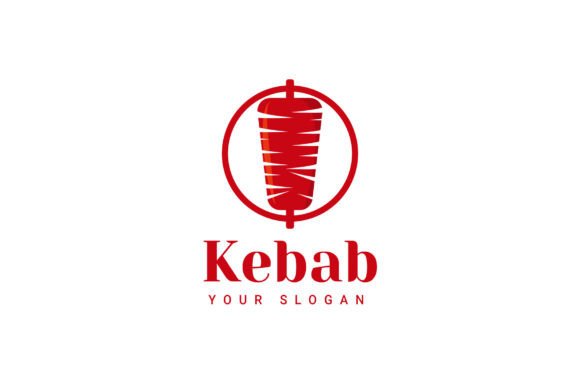
The first thing that strikes you about the Kebab Logo Vector Icon Illustration is its commitment to minimalism. In the world of vector art, less is often more, especially when you plan to convert those lines into stitches. The design features a simple, elegant structure that avoids unnecessary clutter. For an embroidery designer, this is a relief. Complex gradients and tiny, intricate details are the enemies of clean stitching. This icon relies on strong shapes and clear outlines, which suggests it was built with versatility in mind.
Because it is provided as a 100% editable vector, the potential for customization is high. You are not stuck with a static image. You can adjust proportions, tweak curves, or simplify elements further before you even begin the digitizing process. This flexibility is crucial for creating a unique handmade product that stands out in a crowded market. The mood it creates is modern and approachable, making it suitable for food brands, casual apparel, or playful home decor.
Real-World Application: From Screen to Stitch
To truly test the viability of this design, I imagined a specific client project: a custom order for a local gourmet food truck owner who wanted branded merchandise. The goal was to create a line of custom apparel and reusable shopping bags. The Kebab Logo Vector Icon Illustration seemed like a perfect fit for their brand identity. But how would it perform on actual materials?
For a tote bag design, the simplicity of the icon works in your favor. Tote bags are often made from canvas or cotton blends, which have a visible weave. A design with too much density can pucker the fabric, while a design with too little detail can get lost. This icon’s bold lines allow for a balanced use of satin stitch borders and moderate fill stitch areas. It maintains clarity even when scaled down to a pocket-sized logo on a chef’s apron or scaled up for the back of a hoodie.
When considering sweatshirt embroidery, the texture of the fleece becomes a factor. The vector nature of the Kebab Logo Vector Icon Illustration allows you to thicken lines slightly to ensure they do not sink into the pile of the fabric. This adaptability is what separates a amateur attempt from a professional finished product. Whether you are creating a personalized gift for a friend who loves grilling or developing a small shop product line, the design’s clean aesthetic ensures it looks intentional and high-quality.
Navigating Technical Challenges
While the design is elegant, there are areas where caution is required. Embroidery is a physical medium, and physics applies. If you plan to use this on stretchy fabrics, such as performance tees or baby clothes, you must pay attention to stitch density. Even though the original file is a vector graphic, the digitized version must be optimized. High density on stretchy fabric leads to warping. I recommend using a cut-away stabilizer for these applications to maintain shape integrity.
Another consideration is the hoop size. If you are working with a small hoop, such as a 4x4 inch frame for a cap or a patch, you need to ensure the smallest elements of the kebab icon remain distinct. Tiny details can merge together when stitched. Since the Kebab Logo Vector Icon Illustration is fully editable, you can remove any non-essential micro-details before digitizing. This step is vital for embroidered patch creation, where durability and readability are key.
Dark fabrics present another challenge. The product description notes RGB color, which is great for screen viewing, but embroidery thread colors are physical. You cannot rely on subtle shading. You must choose thread colors that offer high contrast against the fabric. A test run on scrap fabric is non-negotiable here. Check how the chosen colors interact with the material’s texture. A running stitch outline might be necessary to define edges clearly on dark or textured backgrounds, preventing the design from looking muddy.
Enhancing Brand Value and Customer Trust
For Etsy sellers and creative entrepreneurs, the visual appeal of your listing images can make or break a sale. Using a clean, professional logo like the Kebab Logo Vector Icon Illustration elevates the perceived value of your items. It signals professionalism. When customers see a crisp, well-executed logo on a holiday embroidery item or a boutique kitchen towel, they associate that quality with your brand. This builds trust and encourages repeat business.
Moreover, the versatility of this design allows for consistent branding across different products. You can use the same core icon on a baby embroidery onesie, a corporate polo, and a promotional printable mockup. This consistency helps in building brand recognition. For commercial embroidery projects, having a scalable vector means you can adapt the design for large signage or small labels without losing quality, ensuring your design assets work hard for you.
Practical Notes for the Embroidery Designer
Before you commit to stitching this design on a final garment, here are some practical steps to ensure success:
- Test on Scrap Fabric: Always stitch a sample on the same type of fabric you intend to use for the final product. This reveals issues with tension, density, and color contrast.
- Check Thread Contrast: View your design in black and white to ensure the shapes are distinguishable without relying on color differences.
- Review Stitch Density: If you are digitizing the vector yourself, keep density moderate to prevent puckering, especially on lighter fabrics.
- Confirm Hoop Size: Ensure the design fits comfortably within your hoop with adequate margin for stabilization.
- Inspect Small Details: Zoom in on the vector file. Remove any anchor points or lines that are too thin to stitch effectively.
- Verify Licensing: The product description states it is a professional logo template, but always confirm the specific license terms for commercial use before selling finished items or digital products.
In conclusion, the Kebab Logo Vector Icon Illustration is a strong candidate for various embroidery projects. Its simplicity, editability, and elegant style make it a versatile tool for designers. By understanding its technical requirements and applying proper digitizing techniques, you can transform this graphic into a stunning tactile experience. Whether you are a hobbyist making gifts or a business owner building a brand, this design offers the clarity and professionalism needed to succeed in the competitive world of handmade goods.