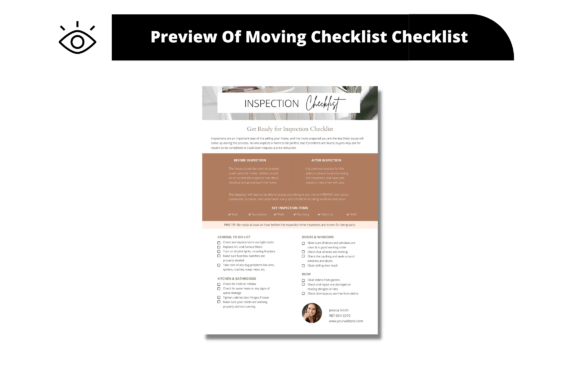
Real Estate House Inspection Checklist: Graphics & Freebies
As a digital publisher who has spent over a decade refining the visual identity of high-traffic blogs and editorial platforms, I have learned that trust is not just built through words. It is constructed through pixels, layout consistency, and the perceived professionalism of every asset on the page. When I first encountered the Real Estate House Inspection Checklist, my immediate reaction was not just about the utility of the document itself, but about its potential as a cornerstone graphic design asset for content creators in the property, home improvement, and lifestyle niches.
In the crowded landscape of online real estate advice, standing out requires more than just accurate information. It demands a polished, authoritative aesthetic that signals expertise to the reader before they even read the first sentence. This template does exactly that. It bridges the gap between functional utility and modern design, offering a clean, professional look that elevates the perceived value of any associated content. For bloggers, affiliate marketers, and small business owners, integrating such a high-quality visual element can significantly enhance brand identity and reader retention.
The Editorial Mood and Visual Hierarchy
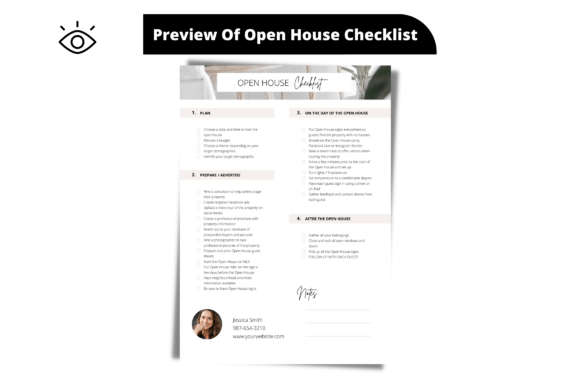
The first thing that strikes you about this Real Estate House Inspection Checklist is its clarity. In editorial design, visual hierarchy is paramount. You need to guide the eye effortlessly from the headline to the key data points. This template achieves that balance with a sophisticated use of whitespace and structured typography. It feels less like a generic form and more like a curated digital product designed for the modern homeowner or investor.
The mood it creates is distinctly professional yet approachable. It avoids the sterile, cold feel of corporate legal documents, opting instead for a warm, organized aesthetic that suggests helpfulness and thoroughness. This is crucial for content marketing. When a reader downloads a lead magnet or views a printable design, the emotional response should be one of relief and confidence. This asset supports that narrative perfectly. It feels educational and reliable, making it an ideal fit for websites that aim to position themselves as trusted authorities in the real estate sector.
Integrating the Asset into Your Publishing Workflow
For those of us managing content calendars, the versatility of this template is its greatest strength. It is not merely a PDF to be printed; it is a flexible component of a broader web design strategy. Here is how I envision using this Real Estate House Inspection Checklist across various publishing channels:
- Blog Featured Images: Use the checklist as the background or central element of your article header. Overlay a compelling headline to create a click-worthy thumbnail that stands out in archive pages.
- Pinterest Pins: The vertical-friendly layout and clear typography make it perfect for Pinterest graphics. High-resolution visuals of checklists perform exceptionally well on this platform, driving significant traffic to blog posts.
- Lead Magnets and Digital Guides: Offer the editable version as a freebie in exchange for email signups. A well-designed printable design increases conversion rates because users perceive higher value in visually appealing resources.
- Newsletter Banners: Insert a snapshot of the checklist into your email campaigns to break up text and provide a visual cue for the content’s value proposition.
- Social Media Graphics: Break down individual sections of the checklist into carousel posts for Instagram or LinkedIn, providing bite-sized value while showcasing your brand’s attention to detail.
By treating this template as a multi-purpose graphic design asset, you maximize its ROI. It supports content marketing efforts by providing consistent visual cues across different platforms, reinforcing brand recognition every time a user interacts with your material.
Enhancing Click-Through Potential and Reader Trust
In the world of affiliate marketing and digital publishing, the click-through rate (CTR) is king. A generic, text-heavy image rarely captures attention. However, a crisp, modern design like this Real Estate House Inspection Checklist acts as a visual hook. It promises organization and ease, two things every home buyer or seller desperately seeks.
When used as a website header or category thumbnail, this asset improves the overall aesthetic of your site. It contributes to a cohesive brand identity, signaling to visitors that your site is well-maintained and professional. This subtle psychological cue builds trust. Readers are more likely to engage with affiliate links, purchase digital products, or subscribe to newsletters when the surrounding visual environment feels premium and credible. The clean lines and balanced composition of this template support a modern design ethos that resonates with today’s digital-native audience.
Strategic Placement and Cautionary Notes
While this asset is highly versatile, strategic placement is key to maximizing its impact. It works best in contexts where the user has a moment to appreciate the details. Hero images on landing pages, dedicated resource libraries, and high-resolution downloadable content upgrades are ideal environments. Here, the design can shine, and the user can interact with the content meaningfully.
However, there are scenarios where you should use it carefully. For instance, avoid using the full, detailed checklist as a small mobile thumbnail. At reduced sizes, the text may become illegible, defeating the purpose of clear communication. Instead, use a simplified icon or a cropped section of the design for smaller placements. Additionally, be mindful of contrast. If your website uses a dark mode or heavily textured backgrounds, ensure the checklist’s white space and light elements do not get lost. Always test readability against your specific theme colors.
Furthermore, while the design is professional, ensure it aligns with the tone of your specific niche. For ultra-corporate or strictly legal content, you might need to adjust the fonts to be more traditional. For playful, lifestyle-focused blogs, you might pair it with brighter accent colors or handwritten font styles to soften the formal edge.
Practical Publisher Notes for Implementation
Before deploying this Real Estate House Inspection Checklist across your digital properties, take a few moments to optimize it for web performance and accessibility. As an experienced publisher, I recommend the following steps:
- Test on Multiple Devices: Preview the asset on desktop, tablet, and mobile screens. Ensure that the visual hierarchy remains intact and that key information is visible without excessive zooming.
- Check Thumbnail Legibility: View the image at typical thumbnail sizes (e.g., 300x200 pixels). If the text blurs, consider creating a simplified version specifically for grid views.
- Typography Pairing: Experiment with pairing the template’s fonts with your site’s existing typography. Try it beside serif fonts for a classic editorial look, or sans serif fonts for a modern, clean aesthetic. Avoid clashing script fonts unless used sparingly for accents.
- File Size Optimization: Large images slow down page load times, which hurts SEO. Compress the images properly using tools like TinyPNG or Squoosh before uploading them to your media library.
- Licensing Verification: Always confirm the commercial license terms. If you are using this asset on monetized websites, affiliate pages, or in paid content products, ensure you have the right to do so. This protects your business from legal issues and supports the creators in the creative marketplace.
- Contrast and Accessibility: Use a contrast checker to ensure that any text overlaid on the design meets WCAG accessibility standards. This ensures your content is inclusive and readable for all users.
The Real Estate House Inspection Checklist is more than just a form; it is a powerful tool for enhancing your digital presence. By leveraging its clean design and professional appeal, you can create a more engaging, trustworthy, and visually cohesive online experience. Whether you are a solo blogger, a real estate agent, or a digital marketer, integrating high-quality graphics like this into your workflow is a smart move for long-term brand growth. It saves time, elevates your content, and ultimately, helps you connect more effectively with your audience.