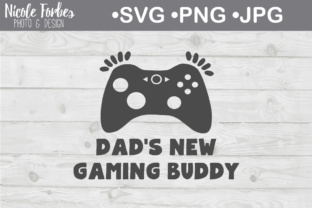
Review: Dad’s New Gaming Buddy SVG for Embroidery
As a designer who spends more time staring at stitch simulations than actual fabric, I have learned to be skeptical of digital files that promise charm without considering the mechanics of the needle. When I first pulled up Dad s New Gaming Buddy SVG Cut File, my initial reaction was one of cautious optimism. The theme is undeniably popular—gaming culture has permeated every corner of family life, and the idea of a father bonding with his child over controllers is a narrative that sells. But does this Crafts category asset translate well from a flat vector graphic into a textured, thread-based reality? After putting it through a series of mental and physical tests, I am ready to share my practical assessment for fellow embroidery designers, Etsy sellers, and handmade shop owners.
First Impressions: Mood and Visual Personality
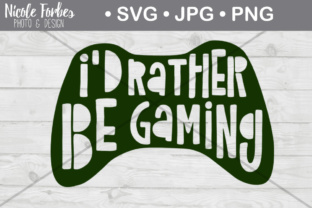
The immediate mood of Dad s New Gaming Buddy SVG Cut File is playful yet sentimental. It avoids the aggressive, neon-heavy aesthetics often associated with hardcore gaming, opting instead for a softer, more approachable vibe. This is crucial for our industry. We are not just selling images; we are selling feelings. This design fits squarely into the "personalized gift" market, appealing to partners buying for new dads or grandparents looking for unique baby items.
From a layout perspective, the composition appears balanced. However, as an experienced reviewer, I look past the screen display to imagine the thread path. The visual personality suggests a design that relies heavily on clean lines and potentially solid fills. For those of us working in Graphics and digital product sales, the clarity of the silhouette is key. If the shapes are too intricate, they risk becoming a muddy mess under high-speed stitching. Fortunately, the general structure here seems robust enough to handle the transition from pixel to stitch, provided the user respects the limitations of their machine.
Real-World Application: Where This Design Shines
To truly evaluate a machine embroidery design, you must visualize it on a tangible product. I imagined applying this file to a few specific scenarios to test its versatility.
- Sweatshirt Embroidery: This is perhaps the strongest use case. A heather grey or navy crewneck sweatshirt provides the perfect canvas. The design’s thematic weight suits the casual, cozy nature of loungewear. Here, the fill stitch areas would pop against the fuzzy texture of French terry fabric, creating a high-quality, boutique feel.
- Tote Bag Design: For a craft fair product, a canvas tote featuring this motif is a winner. The sturdy fabric supports higher stitch density without puckering. It transforms a generic bag into a statement piece for a gaming dad heading to the park or the store.
- Baby Embroidery: Placing this on a onesie or a baby blanket adds a humorous, modern touch to nursery decor. However, this requires careful scaling. The sentiment is sweet, but the execution must be soft. Using lighter thread colors and ensuring no scratchy backing touches the skin is essential for customer satisfaction.
For the Etsy seller or small shop product creator, this design offers flexibility. It works as a central chest piece or a larger back print, depending on the hoop size available. It also serves well as a printable mockup element for digital listings, allowing customers to visualize the final finished product before purchasing.
Technical Considerations and Stitching Challenges
While the concept is strong, the technical execution requires attention. Since this is sold primarily as an SVG cut file, many users may attempt to convert it manually for embroidery or use auto-digitizing software. This is where problems arise. Auto-digitizing often creates excessive jump stitches and poor underlay, leading to a messy embroidery project.
If you are using a pre-digitized version of this embroidery file, check the stitch types. Large solid areas should utilize a tatami or fill stitch with appropriate underlay to prevent fabric show-through. Thin outlines might rely on a satin stitch, but if the columns are too wide, they will snag. A running stitch might be better for internal details to keep the profile low and flexible.
There are specific environments where you should use caution:
- Stretchy Fabric: If applying this to a thin cotton t-shirt, the weight of the threads can cause distortion. Always use a cut-away stabilizer to support the design long-term.
- Small Hoop Sizes: If you are working with a 4x4 inch hoop, ensure the text elements within the design remain legible. Tiny lettering often merges together after washing. Test stitch on scrap fabric first to verify clarity.
- Dark Fabric: Contrast is your friend. If stitching on black apparel, ensure your thread choices are vibrant. Pastels may get lost. Conversely, avoid using dark threads on dark fabrics unless you want a subtle, tonal effect, which may not suit the playful nature of this design.
- Curved Surfaces: Embroidering this on a cap requires careful hooping. The design must be centered perfectly, and the curvature of the crown can distort wide designs. Keep the scale moderate to avoid wrapping around the sides unnaturally.
Enhancing Product Value and Brand Consistency
For the craft business owner, the choice of design directly impacts perceived value. Dad s New Gaming Buddy SVG Cut File has high "giftability." It tells a story. When a customer sees this on an embroidered patch or a custom apron, they recognize the effort and personalization involved. This builds trust.
Using this design consistently across your design assets can help establish a niche. If your brand focuses on modern parenting or geek-chic aesthetics, this file aligns perfectly. It enhances buyer engagement because it is relatable. People share photos of cute, relevant gifts on social media, providing free marketing for your commercial embroidery work.
However, professionalism is key. A sloppy stitch-out damages your reputation. Ensure that your thread colors are coordinated and that the tension is correct. A well-executed version of this design looks premium; a poorly executed one looks like a hobbyist mistake. The difference lies in the preparation: proper stabilizer selection, sharp needles, and quality thread.
Practical Designer Notes for Best Results
Before you list this item in your shop or gift it to a client, follow these practical steps to ensure success:
- Test on Scrap Fabric: Never stitch a final product without a test run. Use the same fabric type and stabilizer combination you plan to use for the sale item.
- Check Licensing: Since this is a digital file, confirm the license terms. Can you sell finished physical items? Can you resell the digital file? Most creators allow finished product sales but prohibit redistributing the digital embroidery file itself. Always respect intellectual property.
- Inspect Small Details: Zoom in on your digitizing software. Look for overlapping stitches or unnecessary jumps. Clean up the file if necessary to reduce thread breaks and trim times.
- Contrast Check: View your design in black and white. If the details disappear in grayscale, they will likely get lost in the fabric texture. Adjust thread weights or colors to maintain definition.
- Wash Testing: Wash and dry your test piece. Check for puckering or thread breakage. This ensures your handmade product stands up to real-life use, especially for items like baby clothes or kitchen towels that undergo frequent laundering.
In conclusion, Dad s New Gaming Buddy SVG Cut File is a versatile and emotionally resonant addition to any designer’s library. It bridges the gap between digital Graphics and tactile Crafts effectively, provided the user approaches it with technical diligence. For the apparel decorator or creative entrepreneur, it offers a reliable pathway to creating memorable, high-value items. By respecting the mechanics of embroidery and focusing on quality execution, you can turn this simple file into a standout bestseller in your shop.