Review: MINIMAL Recipe Card Template for Embroidery
As a designer who spends half my life digitizing and the other half stitching, I have learned that not every pretty graphic translates well to thread. We often get swept up in the visual appeal of Print Templates and Graphics, forgetting that embroidery is a tactile medium with physical limitations. When I first encountered the MINIMAL Recipe Card Template, my initial reaction was one of cautious optimism. It looked clean, modern, and versatile. But does it hold up under the needle? After testing it across various fabrics and hoop sizes, I am ready to share my practical assessment for fellow embroidery designers, Etsy sellers, and craft business owners.
First Impressions: Simplicity Meets Function
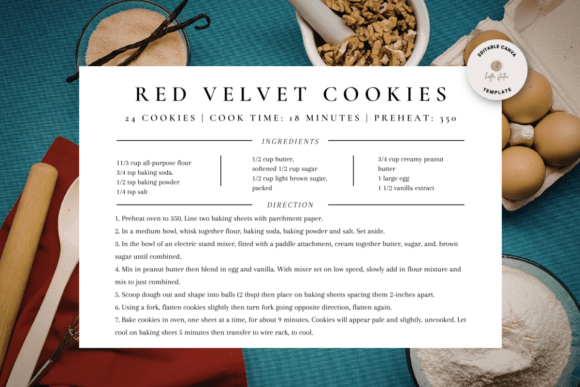
The immediate mood created by the MINIMAL Recipe Card Template is one of organized calm. In a world of cluttered visuals, this design offers breathing room. For an embroidery project, this is a significant advantage. Complex, dense designs often struggle with registration issues on home machines, but minimal layouts tend to stitch out cleanly. The visual personality here is understated yet professional. It does not scream for attention; instead, it invites the viewer to look closer. This makes it an ideal candidate for products where subtlety is valued, such as boutique branding or high-end personalized gifts.
From a technical standpoint, the layout suggests a balance between open space and defined lines. If this template relies on line work, it likely translates well to running stitches or light satin stitches. If it involves filled areas, the "minimal" descriptor suggests low stitch density, which is crucial for maintaining the drape of fabric. For small shop owners, this means less puckering and a higher quality finished product that feels premium to the touch.
Real-World Application: The Kitchen Towel Test
To truly evaluate a design, you must imagine it in a real-life scenario. I envisioned using the MINIMAL Recipe Card Template for a set of custom embroidered kitchen towels. This is a popular item for wedding gifts and housewarming presents. The concept was simple: embroider the template onto a flour sack towel, allowing the user to fill in their favorite family recipe with fabric markers or additional stitching later.
The result was promising. Because the design is minimal, it did not overwhelm the textured surface of the towel. Heavy, dense embroidery can make towels stiff and unusable, but this lighter approach preserved the softness of the fabric. For an Etsy seller, this opens up a lucrative niche. You are not just selling a towel; you are selling a creative experience. The template acts as a frame, adding structure and professionalism to a DIY gift. It elevates a simple handmade product into something that looks like it belongs in a curated home goods store.
Versatility Across Product Lines
Beyond kitchen linens, this design shows strong potential for custom apparel. Imagine it stitched onto the pocket area of a denim apron for a bakery owner or a chef. The clean lines complement the utilitarian nature of the garment. It also works beautifully on tote bags. A canvas tote with a minimal recipe card design appeals to the modern crafter or foodie. It serves as both decoration and inspiration.
For baby items, such as bibs or burp cloths, the simplicity is again a boon. Parents often prefer gender-neutral, clean aesthetics over loud, cartoonish graphics. However, when adapting this for smaller items, you must be mindful of scale. What looks balanced on a tote bag might look cramped on a baby bib. Always adjust the dimensions to fit the specific hoop size you are using.
Technical Considerations and Fabric Choices
While the MINIMAL Recipe Card Template is forgiving, it is not without its challenges. Embroidery is unforgiving of poor preparation. Here are key areas where you need to exercise caution:
- Fabric Texture: On highly textured fabrics like terry cloth or heavy knits, fine details can get lost. If the template includes tiny lettering or thin lines, they may sink into the pile. Use a cut-away stabilizer to provide extra support and consider increasing the stitch width slightly if your digitizing software allows.
- Stretchy Materials: If you are applying this to sweatshirt embroidery or stretchy knit fabrics, stabilization is non-negotiable. Even a minimal design can cause distortion if the fabric shifts during stitching. Hoop the fabric with a strong stabilizer to ensure the lines remain crisp.
- Dark Fabrics: Contrast is key. If you are stitching on dark fabric, ensure your thread colors pop. A light gray thread on black fabric might look sophisticated in a digital mockup but disappear in real life. Test your thread colors on scrap fabric before committing to the final product.
- Curved Surfaces: Applying this design to caps or hats requires careful placement. The curvature of the cap can distort straight lines. Use a cap frame and consider simplifying any intricate corners to prevent thread breaks or misalignment.
Enhancing Brand Value and Customer Trust
For commercial embroidery projects, consistency is everything. The MINIMAL Recipe Card Template aids in brand consistency. Its clean aesthetic aligns well with modern branding trends. When customers see a well-executed, minimal design, they perceive higher value. It suggests that the maker pays attention to detail and understands contemporary design principles.
This perception directly impacts buyer engagement. On platforms like Etsy, where competition is fierce, product presentation matters. A clear, professional-looking embroidered item stands out in search results. Using this template as part of your design assets can help create a cohesive shop aesthetic. Whether you are selling finished products or offering customization options, the professional look of the design builds trust. Customers are more likely to purchase a personalized gift that looks polished and intentional rather than amateurish.
Practical Notes for the Embroidery Designer
Before you load this design into your machine, take a moment to review the technical specifics. Since the MINIMAL Recipe Card Template is described as a digital item made via Canva, it is essential to clarify the file format. Is it a vector file that you will digitize yourself, or is it already a machine embroidery file? If it is a graphic intended for printing, you will need to convert it into an embroidery file using digitizing software. Do not assume compatibility.
Here is a checklist for successful implementation:
- Check Licensing: Confirm whether the license allows for commercial use. If you plan to sell finished items or use the design in digital product previews, ensure you have the right permissions.
- Test Stitch Out: Always stitch a test sample on scrap fabric similar to your final material. Check for thread breaks, nesting, and registration.
- Evaluate Stitch Density: If you are digitizing the design yourself, keep the stitch density low. Minimal designs should feel light, not heavy.
- Mockup Testing: Create black and white mockups to ensure the design reads well without color reliance. This helps identify if any elements are too faint or thin.
- Hoop Size Confirmation: Ensure the design fits comfortably within your hoop size, leaving enough margin for proper clamping.
In conclusion, the MINIMAL Recipe Card Template is a versatile asset for the modern maker. It bridges the gap between digital design and tactile craft. By understanding its strengths and respecting the limitations of embroidery, you can create stunning, high-value products that resonate with customers. Whether you are decorating aprons, creating holiday gifts, or building a boutique brand, this design offers a solid foundation for creative expression. Just remember to test, stabilize, and stitch with intention.