Gaming - Glyph: A Designer’s Review for Embroidery
As a designer who spends half my life digitizing and the other half stitching, I have learned that not every graphic translates well to thread. We often browse marketplaces looking for that perfect machine embroidery design, hoping it will elevate our next batch of products. Recently, I took a close look at Gaming - Glyph, a set from a broader Gaming Collection of Icon Pack. My goal was not just to admire the pixels on a screen, but to evaluate how these Graphics would perform under the needle in real-world scenarios.
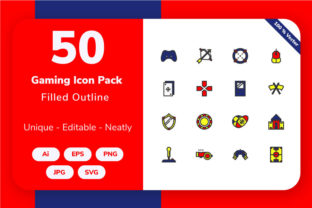
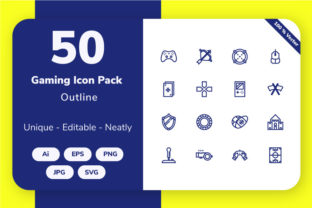
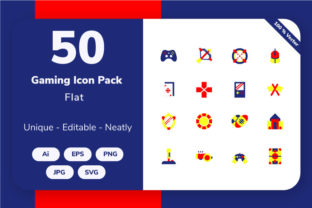
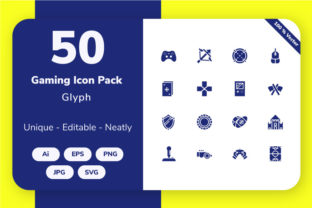
The first impression of Gaming - Glyph is one of structured precision. The description notes that these icons are handcrafted carefully with a grid system, and this is immediately visible. For an embroidery designer, this is a promising start. Grid-based designs tend to have cleaner lines and more predictable stitch paths, which reduces the risk of puckering or misalignment during production. The mood here is modern, digital, and sharp—perfect for a niche that values clarity and iconic recognition.
From Screen to Stitch: Visual Personality and Mood
When I opened the files, I was looking for visual personality. Does Gaming - Glyph feel generic, or does it have character? These Icons strike a balance between minimalism and detail. They are not overly complex, which is crucial for embroidery. Overly detailed graphics often result in dense stitch areas that can stiffen fabric and frustrate both the maker and the wearer. Instead, these glyphs rely on strong shapes and clear negative space.
This visual clarity makes them versatile. They do not scream "retro" nor do they feel excessively futuristic; they sit comfortably in a contemporary aesthetic. This neutrality is a strength. It means the design can adapt to various brand identities, from a sleek tech-focused apparel line to a playful, colorful collection for younger audiences. The layout feels intentional, suggesting that the original creator understands how these elements might be scaled or combined in a larger composition.
Real-World Application: The Custom Sweatshirt Test
To truly judge a design, you must imagine it on a product. I envisioned using Gaming - Glyph for a custom order: a high-quality, heavyweight cotton sweatshirt for a local e-sports team. The client wanted something professional yet understated, avoiding the loud, chaotic graphics often associated with gaming merchandise.
In this context, the glyph worked beautifully. Placed on the left chest, the icon provided a subtle badge of identity. Because the design is rooted in a grid system, the symmetry held up well during stitching. I used a standard satin stitch for the borders and a light fill stitch for any larger enclosed areas. The result was clean, crisp, and durable. The thread colors popped against the dark fabric without looking muddy, thanks to the distinct separation of elements in the original graphic.
Beyond apparel, I considered these icons for a tote bag design. Canvas bags have a rougher fabric texture, which can sometimes swallow small details. However, the bold nature of these glyphs ensured they remained legible. For an Etsy seller or small shop product creator, this reliability is key. You do not want to spend hours hooping and stitching only to have the design look blurry or lost on the final item.
Navigating Challenges: Fabric and Hoop Constraints
While Gaming - Glyph is robust, no design is universal. There are specific situations where caution is required. If you are working with stretchy fabrics, such as performance wear or thin jerseys, you must pay attention to stitch density. Even well-digitized icons can cause distortion if the fabric is not properly supported. I strongly recommend using a cut-away stabilizer for these materials to maintain the integrity of the grid-based shapes.
Another consideration is hoop size. If you plan to use these icons on smaller items like baby clothes or caps, ensure you are scaling them appropriately. Shrinking a design too much can lead to merged stitches, where individual lines blur together. Conversely, enlarging them significantly might expose gaps in the digitizing if the original file was not optimized for large scales. Always test the design on scrap fabric first. This simple step saves time, thread, and frustration.
Curved surfaces, such as the front of a baseball cap, present another challenge. The rigid geometry of a grid-based icon can look distorted if not centered perfectly. For embroidered patch creation, however, these glyphs excel. Patches allow for dense stitching on a stable backing, letting the sharp lines of the Graphics shine without the interference of garment stretch or texture.
Enhancing Product Value and Brand Consistency
For craft business owners, the choice of design directly impacts perceived value. A clean, professional-looking icon like Gaming - Glyph signals quality. It suggests that the maker cares about precision and aesthetics. This builds customer trust. When a buyer sees a neatly stitched, well-balanced design on a personalized gift or custom apparel, they are more likely to view the item as a premium product rather than a homemade craft.
Furthermore, consistency is vital for branding. If you are creating a line of holiday embroidery items or boutique merchandise, using a cohesive set of icons helps establish a recognizable visual language. These gaming glyphs can be mixed and matched with other elements from the collection to create unique compositions. This flexibility allows you to offer varied products while maintaining a consistent brand identity.
Practical Notes for the Embroidery Designer
Before you commit to a large production run, here are some practical steps to ensure success with Gaming - Glyph:
- Check Thread Contrast: Test the design on both light and dark fabrics. Some colors may blend in too much, reducing visibility. Adjust your thread palette to ensure the icon stands out.
- Review Stitch Density: If your machine allows, inspect the stitch count and density settings. High density can make the fabric stiff, while low density might look sparse. Find the balance that suits your material.
- Verify Licensing: The product description mentions it is suitable for creative projects, but always confirm the specific license terms. Ensure you have the right to use the digital embroidery file for commercial purposes if you plan to sell finished items.
- Mockup Testing: Create printable mockups to visualize the design on different products. This helps you decide placement and size before you even thread the needle.
- Inspect Small Details: Zoom in on the design file. Look for tiny corners or narrow lines that might be problematic. You may need to simplify certain elements if they are below the minimum stitch width for your machine.
In conclusion, Gaming - Glyph is a solid addition to any designer’s library. It offers the clarity and structure needed for professional-grade embroidery while retaining the thematic appeal of gaming culture. Whether you are creating baby embroidery for a nursery, sweatshirt embroidery for a team, or commercial embroidery for retail, these icons provide a reliable foundation. Just remember to respect the limitations of your materials and machines, and always test before you produce. With careful handling, these design assets can significantly enhance the quality and appeal of your finished product.